Why Buy Frozen Lobster?
Frozen Lobster works because it turns a fragile, time-sensitive ingredient into something you can actually control. Instead of gambling on “how long it’s been in transit” or “how it’s been handled,” frozen gives you a stable baseline: the product is brought down to temperature and held there, so quality is locked in at a known point.
That’s a big deal for buying decisions. Frozen lobster is portionable (use what you need, keep the rest), repeatable (similar weights cook in similar time), and lower-waste (less last-minute trimming and fewer “use it today or lose it” moments). It also makes planning easier: you can keep a premium ingredient on standby without building your week around a delivery date.
On our side, we keep the processing claim practical and bounded: seafood is processed and frozen within hours to capture peak condition, and on products where it’s stated and supportable on-site, it can be within 3 hours of being caught. The point isn’t hype — it’s time and temperature control. The less time that passes before freezing, the less opportunity there is for quality to drift.
“Fresh” can still be excellent, but it’s worth being honest about the chain: catch/harvest time, packing time, transport time, storage time, then your fridge time. Those hours add up. Frozen short-circuits that clock by holding the product at a stable temperature until you’re ready to use it.
Freezing slows spoilage. Cold storage preserves texture. Vacuum packs reduce air exposure.
Portions reduce waste. Consistent weights improve cooking. Frozen stock improves meal planning.
If you want lobster you can rely on — for weeknight pastas, grills, or a proper celebration plate — frozen is often the more predictable way to get there.
Choose Your Lobster
The best Frozen Lobster choice isn’t about “best overall” — it’s about the cut that matches your pan, your timing, and the way you like to serve it. Some options are built for quick midweek cooking in the oven or frying pan; others are for higher-heat work on the grill, or for people who want to prep, portion, and slice their own.
Lobster Tails
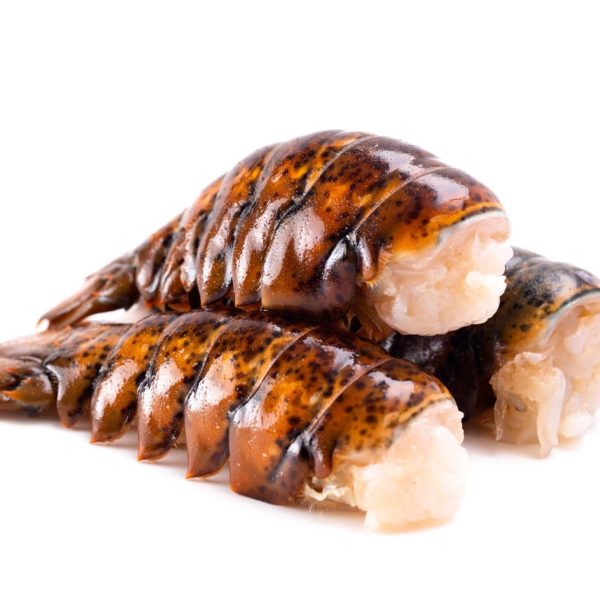
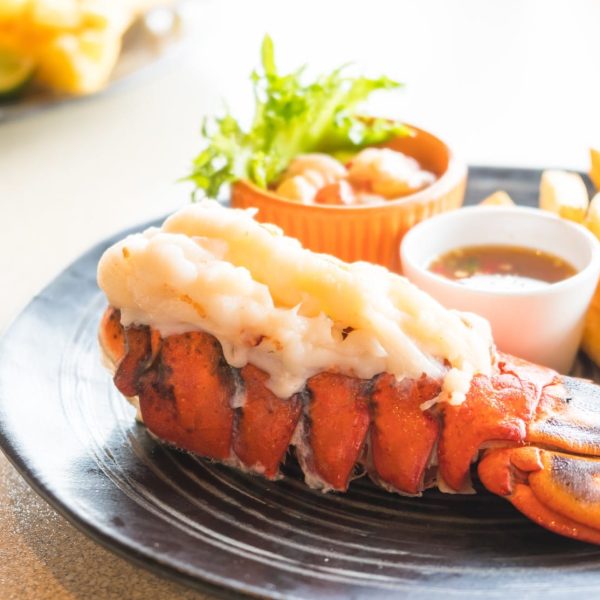
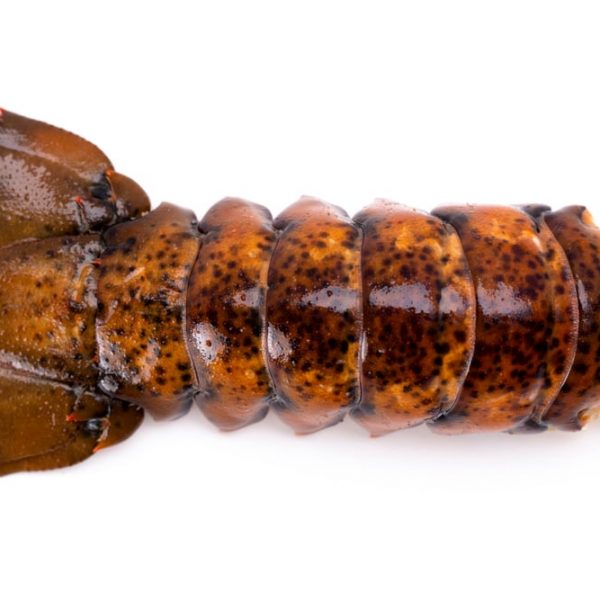
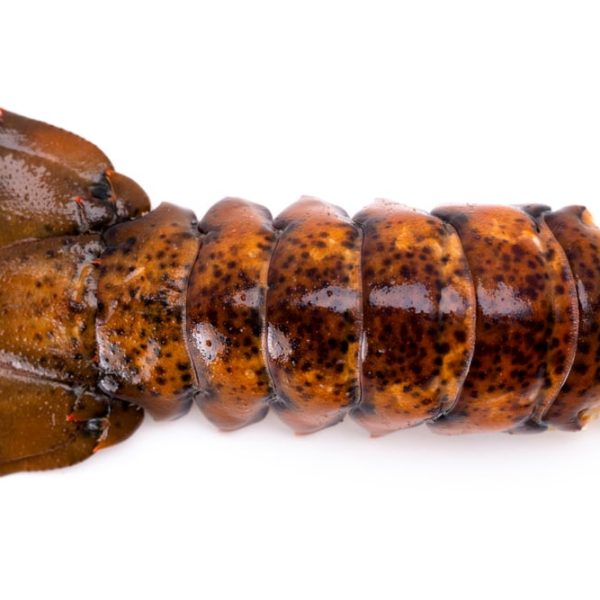
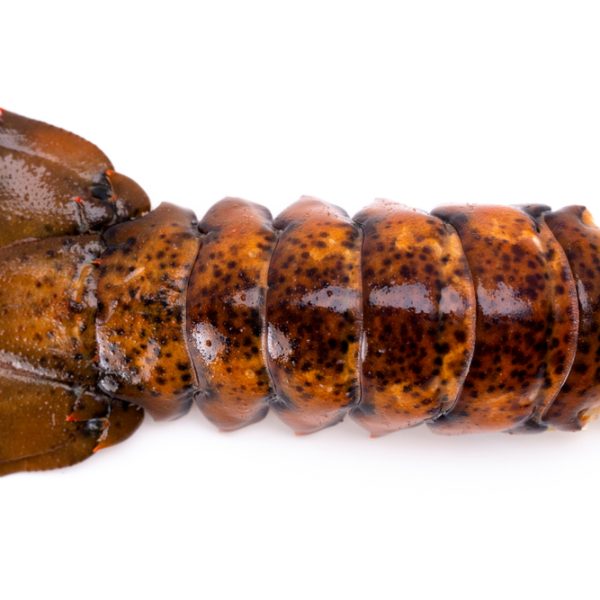
Tails are the reliable all-rounder: a neat, meaty section that suits oven-baking, pan-basting, or a fast grill finish once you’ve prepped it. Because the tail meat is a single main muscle, it gives clean slices and a satisfying bite when you want a “proper lobster plate” without extra fuss. If you like to butterfly tails for even cooking or want that tidy presentation for pasta, risotto, or surf-and-turf, this is usually the most straightforward route.
Tail Meat and Portions
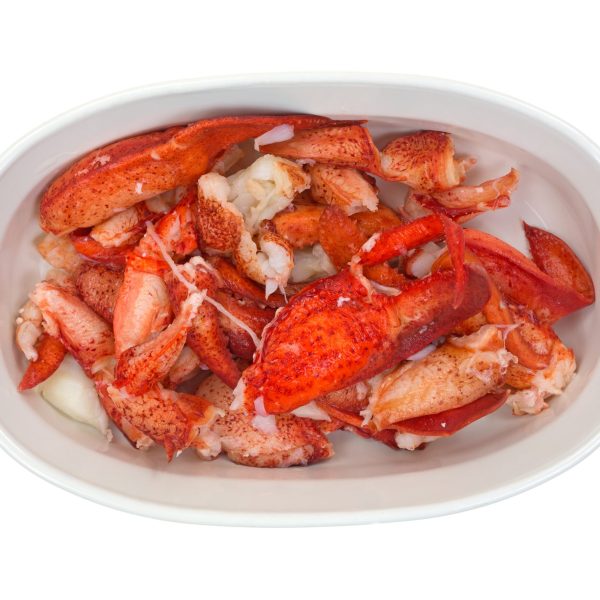
If you’re cooking midweek and want results without guesswork, portioned lobster meat is the shortcut. Pre-portioned pieces give you predictable sizing for quick pan work and tighter portion control — useful when you’re adding lobster to a creamy sauce, folding it through a bisque finish, or topping a flatbread. Portions also help when you’re cooking for different appetites: you can scale up or down without opening more than you need.
Whole Lobster
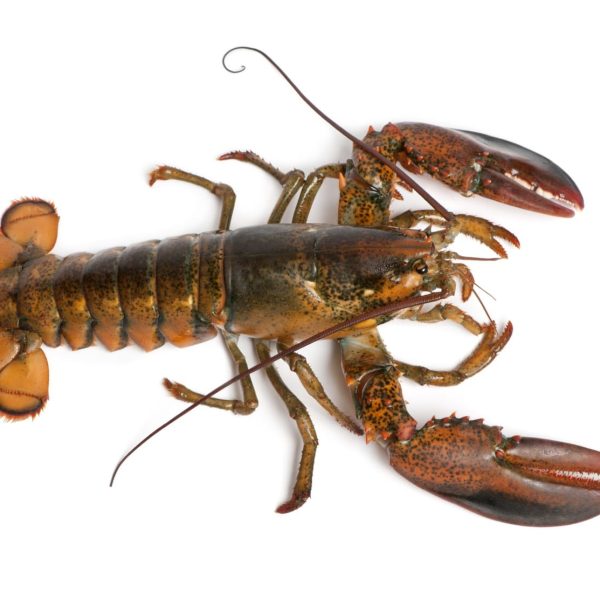
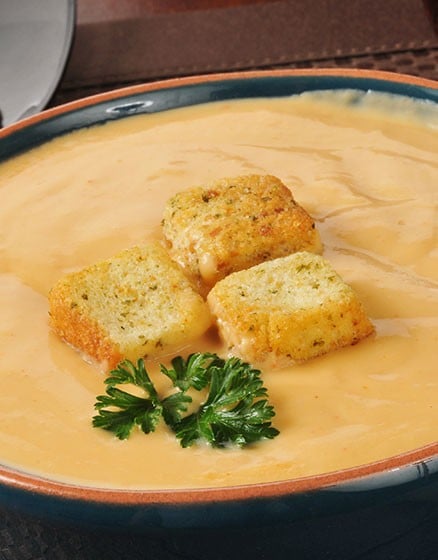
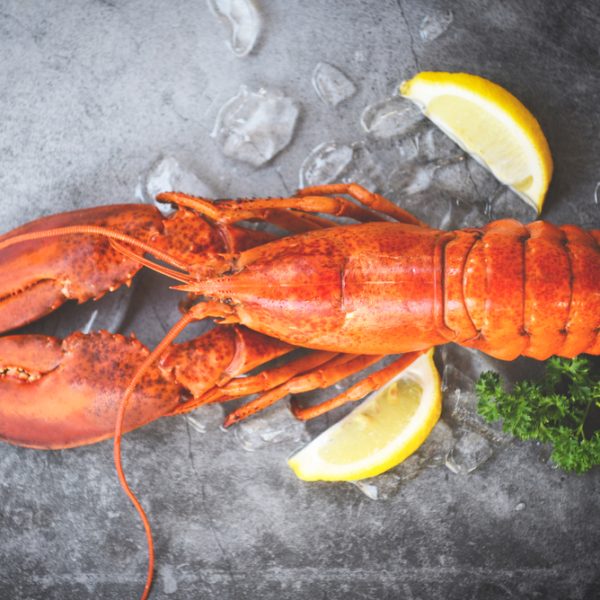
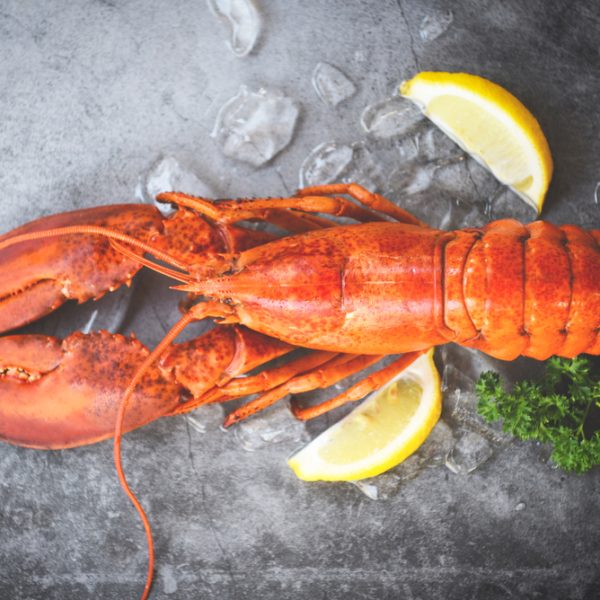
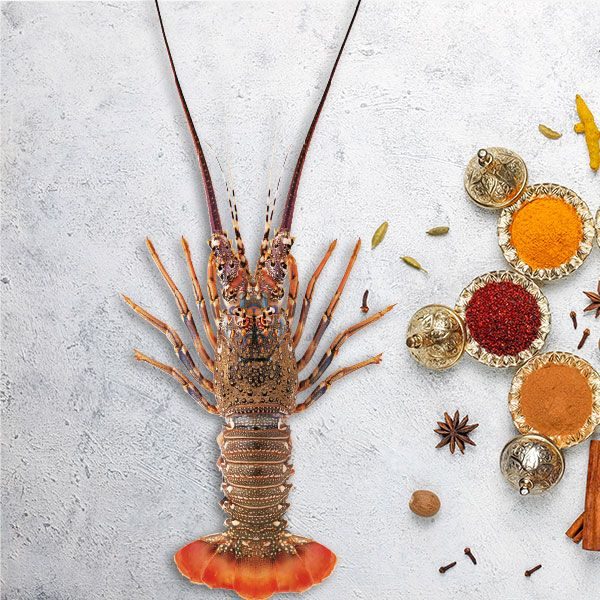
Whole lobster is for cooks who want to do their own prep — splitting, picking, and choosing how the meat is used. It’s ideal for batch prep (cook once, use across multiple dishes) and for anyone who likes the flexibility of working with claw and tail meat separately. You’ll also get the shell for stock-making, which matters if you’re building depth in a bisque, chowder, or lobster butter.
Claws and Knuckles
Claw and knuckle meat tends to hold its shape well, which makes it a strong choice for grill or pan cooking where you want the pieces to stay intact rather than disappear into the sauce. It’s also forgiving in higher-heat applications like skewers, rolls, or quick wok-style tosses, where the goal is “warm through and glossy,” not long simmering.
Speciality Lobster Lines
When stocked, speciality lobster items are best thought of as “ready for a specific job” — whether that’s a lobster roll build, a bisque base, or a neat finishing protein for entertaining. The win here is fit-for-purpose prep: less handling, more consistency, and fewer steps between pack and plate.
Pick the Lobster that matches your pan, your timing, and your appetite.
What Arrives at Your Door
When you’re buying Frozen Lobster online, the only thing that really matters after quality is whether it stays properly frozen from our freezer to yours. That’s why our packaging and dispatch process is designed around cold-chain basics: minimise time in transit, insulate well, and use a refrigerant that can hold the temperature line.
Dispatched by DPD overnight courier. Your order is prepared for a next working day delivery slot on eligible days, provided it’s placed before the stated cut-off time shown on-site. Because delivery routes and weekend handling vary, the checkout calendar is the final authority — it only offers delivery dates that are valid for your address and the day you’re ordering, so you can choose with confidence rather than guess.
Packed with dry ice in a polystyrene insulated box, which matters for one simple reason: it helps keep fish frozen during transit, even when the outside temperature isn’t playing nice. Polystyrene insulation slows heat transfer; dry ice provides serious cooling power and “buys time” against warming. The combination is built to keep your seafood in a stable frozen state while it moves through the courier network, so the product arrives in the condition it left us.
When it arrives, the best routine is quick and boring (boring is good in cold chain): bring the box indoors, open it promptly, check everything is still properly frozen or firm and cold to the touch, then move the lobster straight to your freezer. After that, treat the pack as the rulebook — follow the on-pack storage guidance and any product-specific handling notes.
Dry ice is safe when handled sensibly. Avoid direct skin contact, keep the area ventilated while the box is open, and don’t seal dry ice into an airtight container. Store the box out of reach and keep dry ice away from children and pets until it has fully dissipated. This is cold-chain gear, not drama — respect it, and it does its job quietly.
Label-First Transparency
Buying Frozen Lobster shouldn’t feel like guesswork, so we keep the decision grounded in labels, not hype. Every item is set up so you can scan the details and know what you’re getting before it hits your pan.
On each product page you’ll see the practical buying fields that actually change the outcome: the cut (for example tail, meat, portions, whole), the weight or pack size, and whether it’s shell-on or shell-off. Where a seafood format makes it relevant, we also show the same kind of clarity you’d expect elsewhere on the site — skin-on/skinless and boneless/pin-boned are listed when they apply to that product type, so you’re not surprised at prep time. If a lobster line is wild or farmed (where that distinction is meaningful for that item), it’s stated on the product details rather than implied.
Origin and catch area can vary across lobster products and supply lines, so we don’t turn that into a category-wide promise. If it matters to your cooking or your preferences, it’s shown on the product details for the specific item you’re buying — the label is the truth source, not the marketing layer.
Allergen information is treated the same way: Lobster is clearly flagged. For any cured, smoked, or otherwise value-added products, you’ll also see ingredients listed where relevant, so you can make an informed choice without hunting around.
- Cut drives cooking. Weight drives timing. Shell drives handling.
- Origin informs preference. Method informs texture. Pack size informs value.
- Clear labels reduce surprises. Specific details build trust. Repeatable info improves results.
Storage and Defrosting
Frozen lobster behaves brilliantly in the kitchen when you treat it like a delicate protein, not a brick of ice. The main goal is simple: keep it properly frozen until you’re ready, then thaw in a way that protects firmness and flavour.
For storage, keep packs frozen and keep them protected from air exposure. Most lines are vac packed, which helps, but once a pack is opened, rewrap tightly or transfer to an airtight freezer bag to cut down the risk of freezer burn. Store packs flat where you can, and rotate your stock like a sensible chef: newer packs behind, older packs forward, so nothing gets forgotten at the back of the freezer.
Defrosting is where texture is won or lost. The default choice is a slow fridge defrost, still sealed and contained in a tray or bowl so any melt stays controlled. That containment matters because thawing creates drip loss (the juices that weep out as ice crystals melt), and you don’t want your lobster sitting in it longer than necessary. When it’s thawed, open the pack over the sink, let it drain, then pat dry with kitchen paper before cooking — a dry surface sears better and helps avoid that “watery” pan effect.
Fast thawing can work in a pinch, but it’s easier to end up a bit soft or waterlogged, especially with smaller, more portionable pieces. When you handle it gently, you keep the bite where it should be: firmness that holds together, not mushy. Lobster isn’t a flaky fish, but you’ll still feel the difference between meat that stays structured versus meat that turns slack. Richer, more fatty cuts forgive heat a little more; leaner pieces reward you for being careful.
On refreezing: keep it conservative. If it’s been fully thawed and you’re not sure how it’s been handled, don’t refreeze. If in doubt, cook it, then chill and store as cooked food. Always follow the on-pack guidance, because product formats vary (and terms like skin-on or pin-boned will only apply where relevant to that specific line).
Cooking Outcomes
Pan-sear medallions and portions
Start with a dry surface and a properly hot pan so the first contact sets the outside instead of steaming it. Place the lobster down and leave it alone for the first part of cooking—if you keep nudging it, you tear the surface and lose that clean sear. Watch for colour change creeping up the sides and a slight firming when you press: you want springy and opaque, not tight and rubbery. Finish gently by easing the heat down for the last minute so the centre stays juicy and the outside doesn’t overtake it. Dry surface equals better sear. Gentle finish protects moisture. Resting evens temperature.
Butter-poach and gentle simmer
This style is for people who want soft, plush lobster that stays tender all the way through. Keep the heat gentle—you’re aiming for a calm poach where the lobster turns opaque and firms just enough to hold its shape. The doneness cue is feel and look: it should be tender with a slight bounce, not stiff, and the thickest part should look evenly opaque with no glassy patches. Pull it a touch early and let it rest briefly off the heat; carryover warmth finishes the centre without pushing it into that chewy zone. Thickness changes timing. Fat content changes forgiveness.
Grill or high-heat finish
Grilling works best when the lobster is cut to cook evenly and can handle direct heat without drying—larger pieces tend to cope better than tiny fragments. Keep the surface dry, oil the grill (or the lobster) lightly, then get it on hot and leave it alone long enough to take colour before you think about turning. You’re looking for light char, a faint sweetness from browning, and a centre that’s just set—opaque and juicy, not shrinking hard at the edges. Once it’s marked, move it to a gentler zone or lower the heat to finish gently, because direct fire can turn “nearly done” into “overdone” fast. Dry surface equals better sear. Gentle finish protects moisture. Resting evens temperature.
Ready-prepped, seasoned, or speciality lines
Some lobster products are prepared for specific uses—pre-buttered, pre-scored, portioned, or seasoned—and they won’t behave exactly like plain meat. In those cases, treat the pack details as the source of truth: coatings brown faster, added fats change how quickly the surface colours, and sauces can mask doneness if you rely on looks alone. Use sensory cues you can trust: texture should be tender with a clean bite, and the lobster should feel resilient, not bouncy-chewy. If the product is cured/smoked or otherwise processed, handling expectations change—follow the product details for best results. Thickness changes timing. Fat content changes forgiveness.
Nutrition Snapshot
Lobster is best thought of as a lean, protein-forward seafood with a clean flavour and a naturally firm bite. It’s often chosen when you want something that feels “special” without being heavy, and it tends to sit comfortably in everyday meals as well as more celebratory dishes. Nutrients can vary by species, cut, and how the product is prepared, so treat this as general guidance and use the product details for anything specific—especially if an item is pre-seasoned, sauced, or part of a speciality line.
In broad terms, lobster contributes protein and a spread of micronutrients (vitamins and minerals) that show up in many types of seafood. If a product includes added ingredients—like butter, marinades, breadcrumbs, or spice mixes—that will change the overall nutrition profile and, importantly, the way it behaves in the pan. That’s why label-first detail matters: ingredients and allergens are listed per product so you can match the choice to your preferences and the occasion.
A practical buying note: fat content influences cooking forgiveness. Leaner seafood can dry out faster if pushed too hard, while richer preparations (for example, buttered or sauced lobster items) may brown more quickly and hold moisture differently. That’s not “good” or “bad”—it’s just useful information when you’re choosing between quick midweek portions and something you want to serve as a centrepiece.
Lobster can be part of a balanced diet alongside vegetables, grains or potatoes, and a sauce or dressing you control. The simplest route to confidence is to pick the cut and pack style you’ll actually cook well—and let the on-page product details do the hard work of comparison.
Provenance and Responsible Sourcing
Provenance matters most when it’s specific, not slogan-shaped. That’s why we treat origin and method as SKU-level facts, not category-wide promises. We show method and origin details per product so you can choose what fits your preferences. If a lobster line is wild-caught, you’ll see the relevant origin information on the product details. If a lobster line is farmed, that method is shown clearly as well. When origin or catch area can vary between items (or even between batches), we don’t blur it into a single headline claim—we show what applies on the individual listing.
Across a Frozen Lobster category, you may see a range of sourcing and formats depending on what’s stocked: farmed lobster, wild lobster items where available, and speciality lines that are prepared for a particular use (for example, ready-to-cook options or products with added ingredients). Those differences aren’t marketing fluff—they affect things like flavour intensity, texture, size consistency, and how you might plan a meal. If you care about a particular origin, method, or preparation style, the fastest way to filter uncertainty is to read the product details and compare like-for-like.
Provenance is also about traceability in plain language: what it is, where it’s from, and how it was produced or harvested, shown in a way you can actually use at checkout. Provenance supports preference. Clear labels support trust. Evidence supports claims. We stick to what’s stated on the SKU, so you’re not asked to “take it on faith” or decode vague wording.
If you’re choosing between two lobster options, let your preference lead: origin and method for values and taste expectations, format for cooking plans, and pack style for portioning—then pick the product whose details match the outcome you want.
Frequently Asked Questions
Is frozen lobster as good as fresh?
“Fresh” and “frozen” aren’t moral categories — they’re supply chain states. Freshness is mainly about time + temperature + handling from catch to kitchen. Frozen is about locking in a specific point in time, then holding it there consistently. That’s why frozen lobster can be every bit as satisfying as “fresh” for many uses, especially when you care about repeatable results.
Texture and flavour are where the truth lives. Lobster is sensitive to moisture loss: if it’s frozen slowly, exposed to air, or defrosted badly, you can end up with a drier bite and a slightly “watery” finish. But good processing, tight packaging, and calm defrosting protect the things you actually want — sweetness, spring, and that clean shellfish flavour. Vacuum packing (or well-sealed packs) reduces air exposure, and a fridge defrost with good drip control helps you keep the meat firm rather than soft.
This is also where how a supplier operates matters. frozenfish.direct is set up for frozen to behave like a quality-control advantage: seafood is processed and frozen within hours, then shipped in a cold chain designed to keep it properly frozen. Orders are sent using insulated packaging with dry ice, built to keep seafood frozen during transit, so you’re not relying on luck or a warm van on a busy route.
Which should you buy? Match it to the job:
- Portions for midweek: Frozen lobster portions are the simplest path to “nice dinner, no drama.” You get predictable sizing, less waste, and you can cook only what you need.
- For grilling: Choose cuts that hold shape and tolerate higher heat. Frozen stock is handy here because you can plan ahead, thaw properly, and grill with confidence.
- For entertaining: Whole tails or larger packs make sense when presentation matters. You can prep on your schedule, portion cleanly, and cook in batches without timing panic.
Fresh can be brilliant — especially if you truly know how it was handled and how long it’s been out of the water. Frozen can be brilliant too, because it turns that uncertainty into a controlled process. If you want predictable results, frozen is the easier way to make Lobster a routine.
How do I defrost frozen lobster without it going watery?
“Watery” lobster is almost always a thawing problem, not a “bad lobster” problem. When lobster freezes, water inside the flesh forms ice crystals. If those crystals melt too fast (or the lobster warms up on the outside while the middle is still icy), you get drip loss — that puddle of liquid that takes flavour and firmness with it. The other big culprits are defrosting at room temperature, letting the pack sit in warm water too long, or doing thaw → refreeze → thaw cycles, which damage the texture a little more each time.
The most reliable method is simple, calm, and boring — because boring is good for protein.
Keep the lobster in the fridge to defrost and keep it contained. If it’s vacuum packed, leave it sealed while it thaws so the flesh isn’t exposed to air and it defrosts evenly. Put the pack on a plate or in a shallow tray to catch any meltwater, and keep it away from foods that could cross-contaminate. Once it’s pliable and properly thawed, open the pack, drain any liquid, then pat the lobster dry with kitchen paper. A dry surface is what gives you better browning and a cleaner bite when you cook. If the product has specific handling notes, follow the on-pack guidance — especially for cooked vs raw lobster, or for items packed in brine or butter.
A few tips by cut (because thickness changes everything):
- Portions / picked meat: Easiest to thaw evenly. Keep it sealed, drain well, pat dry, then cook gently so you don’t squeeze out more moisture.
- Thick pieces (large tails, big chunks): They need more patience in the fridge because the centre holds onto ice longer. Rushing this is how you get a warm outside and a wet, half-icy middle.
- “Steaks” / rounds / shell-on cuts: Shell and thickness slow heat transfer. They thaw more unevenly if you rush them, so fridge defrost is even more important. After patting dry, cook with controlled heat so the exterior doesn’t over-tighten while the centre catches up.
As a backup, some lobster products can be cooked from frozen — but results depend on the cut and how it’s packed, so treat it as Plan B and follow the product notes rather than guessing.
Good defrosting is texture control.
Wild vs farmed lobster — what should I choose?
Wild vs farmed lobster isn’t a “good vs bad” decision — it’s a preference and dish decision. Both can be excellent when they’re handled well and cooked with a bit of respect. The useful question is: What texture and flavour do you want on the plate, and how are you cooking it?
In broad terms, wild lobster may have a firmer bite and a slightly more pronounced “sea” character, because diet, habitat, and season can influence flavour and texture. That said, wild supply can be less uniform, so two packs from different catch areas or times of year can behave a little differently. Farmed lobster items (where stocked) often aim for consistency — portion size, availability, and eating quality can be more predictable batch to batch. That predictability can be a real advantage when you’re cooking for guests or trying to repeat a result.
You’ll also notice the practical trade-offs buyers actually feel: price and consistency. Wild-caught products can sometimes carry higher costs due to seasonal supply and fishing effort, while farmed options can sometimes be priced to reflect steadier production. Neither is automatically “better”; it’s just different economics and logistics.
The easiest way to stay grounded is to use the fields on the product page. On frozenfish.direct, the product details show whether an item is wild or farmed, plus origin/catch area where applicable — so you can choose based on what matters to you, rather than guessing at category-level claims.
For cooking, lobster generally rewards gentler heat and a bit of protection. It’s lean enough that blasting it can turn it tight and dry, so think: quick, controlled cooking and a sauce that supports it. Butter-based sauces, light cream sauces, garlic, lemon, or a simple glaze can work well because they add richness without bullying the flavour. If you’re grilling or pan-searing, keep the surface dry, sear confidently, then finish gently — lobster is at its best when it stays juicy.
Examples of what you might see in the category can include wild lobster items and farmed lobster items, plus speciality lines designed for specific uses. If you’re unsure, start with the dish: a delicate pasta or risotto might suit a cleaner, consistent option; a simple “lobster-with-butter” plate may suit a more intense, firmer bite.
Choose by cooking method first, then by origin and method.
Which lobster should I buy for my plan?
“Which lobster should I buy?” gets much easier when you start with your plan, not the species name. Think of lobster like a set of formats: each cut is basically a shortcut to a certain outcome.
For weeknight meals, go for portions. Pre-cut portions are fast, portionable, and predictable — you can cook what you need and keep the rest properly frozen. They also make it easier to hit that “tender, not tight” texture because you’re working with a consistent thickness.
If your plan is grilling, pick grill-ready cuts where available — things that hold together and tolerate high heat without falling apart. Thicker pieces generally behave better on a grill because you can sear the outside and still keep the centre juicy. (If the product is a more delicate cut, grilling can still work, but it’s less forgiving.)
For entertaining, choose something that looks good and serves cleanly: larger pieces, mixed packs, or formats that plate well and feel generous. Predictable sizing matters here — it helps you time multiple portions so they land together, rather than one piece drying out while you wait on another.
If you like the hands-on approach — prep-it-yourself — then whole lobster is the move. You’re paying for flexibility: you can portion it your way, keep shells for stock, and choose exactly how thick you cut pieces for the pan. It’s a bit more work, but it’s also how you get maximum control.
For special occasions, check for smoked/cured speciality lines if they’re stocked. These are typically “ready for specific uses” and can bring a different flavour profile or serve as a shortcut for canapés and finishing touches. Just follow the product details because handling expectations can differ from raw formats.
Two levers matter more than almost anything else: thickness and surface. Thicker pieces need gentler finishing so the centre stays tender; thin pieces cook fast and can turn firm if pushed. “Skin” (or more generally the outer surface and shell-on/shell-off format) affects how well you can sear and how much protection the flesh has against direct heat.
If you only buy one thing: buy portions. They’re the most versatile for most households, easiest to portion, and simplest to cook consistently — then you can branch out once you’ve found your rhythm.
Pick the cut that matches your heat source and your timing.
Can I cook lobster from frozen?
Yes — often you can cook lobster from frozen, but method matters.
The main issue isn’t “safety drama”, it’s physics: frozen lobster carries surface ice and extra moisture, and moisture is the enemy of a clean sear. If you throw a frozen piece straight into a ripping-hot pan, the outside tends to steam before it browns, and you can end up with a pale surface and an overcooked edge. That’s why oven baking, air-frying, or a covered pan are usually more forgiving than a direct, high-heat sear — those methods drive off moisture steadily and warm the centre more evenly before you finish hotter.
A practical frozen-to-cook approach goes like this, in plain steps: remove all packaging, then check the surface. If there’s visible frost or loose ice, rinse it off quickly under cold water and pat it very dry with kitchen paper. Drying is not fussiness — it’s what stops the first minutes of cooking becoming a steam bath. Start the lobster with gentler heat (think “warm through and set the texture”), then finish with a hotter blast to add colour at the end. In the oven or air-fryer, that means starting in a steady, moderate cook and then finishing hotter; in a pan, it means using a lid early to control moisture and heat, then removing the lid and turning up the heat briefly once the surface is dry enough to brown. Adjust everything to thickness and follow any on-pack guidance where it’s provided.
When not to cook from frozen: if you’ve got very thick pieces and your goal is a perfect, restaurant-style sear with a tender centre, defrosting in the fridge first will usually give you more control. Also, speciality cured/smoked/ready-to-eat style products should be handled exactly as the product details say — they don’t behave like raw lobster, and the right approach depends on how they’ve been prepared.
Frozen-to-oven is the weeknight cheat code when you need Lobster now.
How long does frozen lobster last, and how do I avoid freezer burn?
Frozen lobster will usually stay safe to eat for a long time as long as it’s kept properly frozen, but quality is what slowly drifts. Over time you can lose sweetness, that clean lobster bite can turn a bit chewy, and the surface can dry out. So the useful way to think about storage is safety vs eating quality: your freezer is a safety tool, but flavour and texture still benefit from good handling and sensible rotation.
Freezer burn is the big quality thief. It isn’t “spoiled” lobster — it’s dehydration caused by air exposure in the freezer. When moisture migrates out of the lobster and refreezes, you’ll often see dry or white patches, a duller colour, and sometimes frosty crystals inside the pack. Cooked results can feel tougher, drier, and less juicy, and you may notice a slightly “stale freezer” taste. That’s not the lobster suddenly changing species — it’s just dryness and oxidation doing their boring, relentless thing.
Avoiding freezer burn is mostly about keeping air away and keeping cold steady:
Keep packs sealed until you’re ready to use them. If you open a pack and don’t use everything, re-seal tightly or move portions into an airtight freezer bag/container, pushing out as much air as you can before closing.
Store lobster flat where possible. Flat packs freeze and stay frozen more evenly, stack better, and you’re less likely to squash a corner open and let air in.
Rotate stock: older packs to the front, newer packs behind. It sounds basic, but it’s the difference between “forgotten freezer archaeology” and predictable dinners.
Keep your freezer stable. Lots of door-opening, overloading warm shopping, or a freezer set too warm can cause tiny thaw-refreeze cycles that worsen texture and dryness.
On frozenfish.direct, many lobster products are vacuum packed, which helps because it reduces trapped air around the lobster. That doesn’t make the product immortal, but it does stack the odds in your favour — especially if you keep the pack intact and your freezer temperature steady. For “how long,” follow the on-pack storage guidance first; as general guidance, quality is best when you use frozen seafood within a sensible home-freezer rotation rather than leaving it indefinitely.
Good packaging and steady cold are what keep Lobster tasting like Lobster.